STRATEGI PEMBELAJARAN UNTUK OPTIMALISASI POTENSI GENERASI ALPHA
SYSTEMATIC LITERATURE REVIEW
Keywords:
Generation Alpha, Learning Strategies, Systematic Literature ReviewAbstract
Generation Alpha, as the first cohort entirely raised in a digital ecosystem, exhibits distinctive characteristics such as multitasking ability, visual interactive learning preferences, and a strong reliance on technology. These conditions demand innovative and adaptive learning strategies to optimize their potential within the framework of 21st-century education. This study aims to systematically examine effective learning strategies for Generation Alpha with a particular emphasis on the role of educational technology. The methodology employed is a Systematic Literature Review (SLR) based on the PRISMA protocol. Data were collected from Scopus, Web of Science, and Google Scholar, encompassing 30 peer-reviewed articles published between 2015 and 2025 that are relevant to the topic of learning strategies for Generation Alpha. The analysis involved article selection, data extraction, and synthesis of primary findings. The results highlight four dominant strategies: (1) gamification, which improves retention rates by up to 40%; (2) project-based and collaborative learning, which fosters creativity and social skills; (3) the use of interactive multimedia content; and (4) personalized and adaptive learning systems that align with individual needs and learning styles. The contribution of this study is twofold: theoretically, it reinforces the framework of technology-based learning strategies; and practically, it emphasizes the crucial role of teachers and parents in guiding constructive technology use. The novelty of this study lies in confirming that the integration of gamification, collaboration, multimedia, and adaptivity represents the most relevant approach to optimizing Generation Alpha’s potential in contemporary educational practice.
Downloads
Published
How to Cite
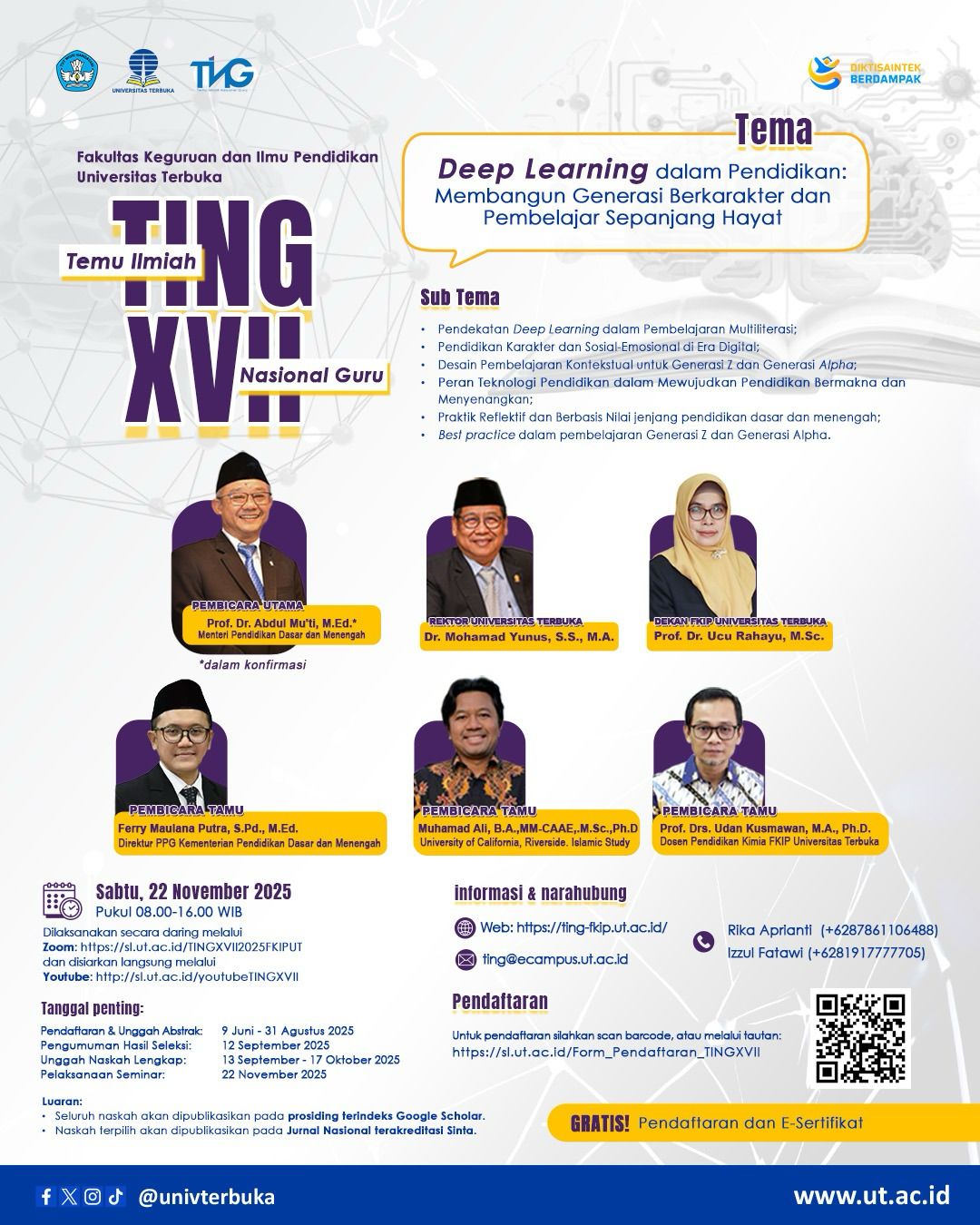
Conference Proceedings Volume
Section
License
Copyright (c) 2026 Prosiding Temu Ilmiah Nasional Guru

This work is licensed under a Creative Commons Attribution-ShareAlike 4.0 International License.