BUILDING CHARACTER AND SOCIAL-EMOTIONAL INTELLIGENCE OF STUDENTS IN THE DIGITAL ERA
A REVIEW FROM THE PERSPECTIVE OF HUMANIST PHILOSOPHY AND GOLEMAN’S EMOTIONAL INTELLIGENCE THEORY
Keywords:
Humanisme, kecerdasan emosional, era digital, pendidikan karakter, GolemanAbstract
The digital era presents both opportunities and challenges in shaping students’ character and social-emotional intelligence. This study aims to explore the integration of humanist philosophy and Daniel Goleman’s theory of emotional intelligence as a conceptual framework for developing students’ holistic character in the context of digital education. Using a qualitative literature review approach, this paper examines philosophical and psychological perspectives that emphasize empathy, self-awareness, and interpersonal relationships as essential components of education in the 21st century. The findings reveal that digital learning environments often weaken direct emotional connections and moral sensitivity among learners. Therefore, educational practices grounded in humanist values—such as respect for individuality, self-actualization, and moral responsibility—need to be revitalized and aligned with Goleman’s five domains of emotional intelligence: self-awareness, self-regulation, motivation, empathy, and social skills. The synthesis of these perspectives provides a philosophical and practical foundation for educators to cultivate emotional resilience, ethical reasoning, and meaningful social engagement among students in the digital age.
Downloads
Published
How to Cite
Conference Proceedings Volume
Section
License
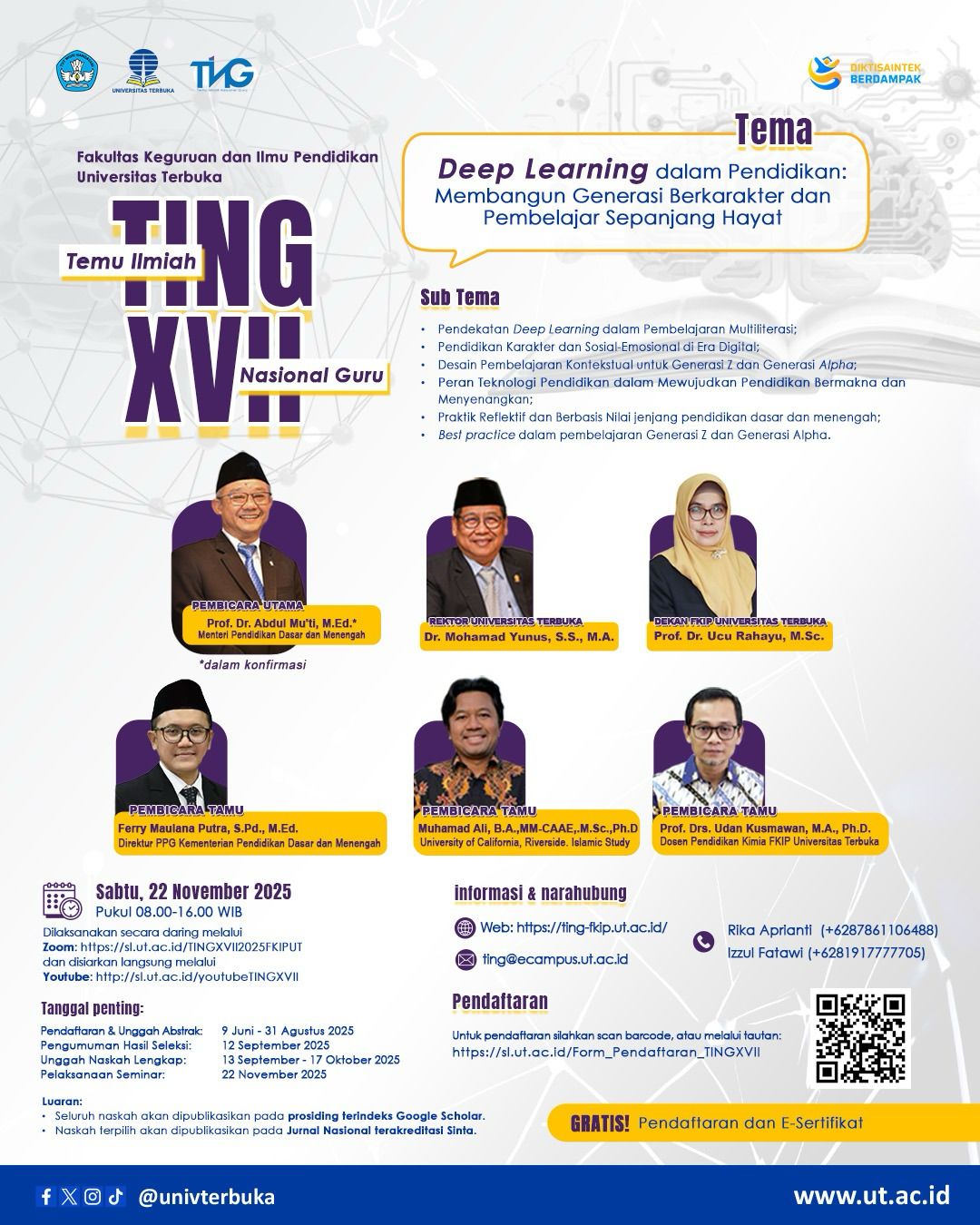
Copyright (c) 2026 Prosiding Temu Ilmiah Nasional Guru

This work is licensed under a Creative Commons Attribution-ShareAlike 4.0 International License.