SOSIALISASI ETIKA BERMEDIA SOSIAL UNTUK MURID SEKOLAH DASAR
Keywords:
elementary school; digital citizenship; social media ethicsAbstract
The rapid integration of digital technology in Indonesia presents a paradox: high digital access among elementary school students does not automatically translate into ethical social media behavior. This gap highlights the urgent need for structured socialization of digital ethics. This study aims to identify, evaluate, and synthesize effective pedagogical strategies for socializing social media ethics to 5th and 6th-grade elementary school students through a Systematic Literature Review (SLR). Following the PRISMA protocol, relevant articles from 2015-2025 were collected from databases such as SINTA and Google Scholar and analyzed using thematic synthesis. The results indicate that an effective approach is a multi-faceted strategy grounded in the framework of digital citizenship. Key pedagogical strategies identified include active learning methods such as Problem-Based Learning (PBL) and Inquiry-Based Learning (IBL) to foster critical thinking, Project-Based Digital Creation to internalize ethics through practice, and the crucial role of teacher role-modeling. This study concludes that socializing social media ethics requires a paradigm shift from mere technical instruction to developing holistic digital pedagogical competence, supported by systemic changes in teacher professional development.
Downloads
Published
How to Cite
Conference Proceedings Volume
Section
License
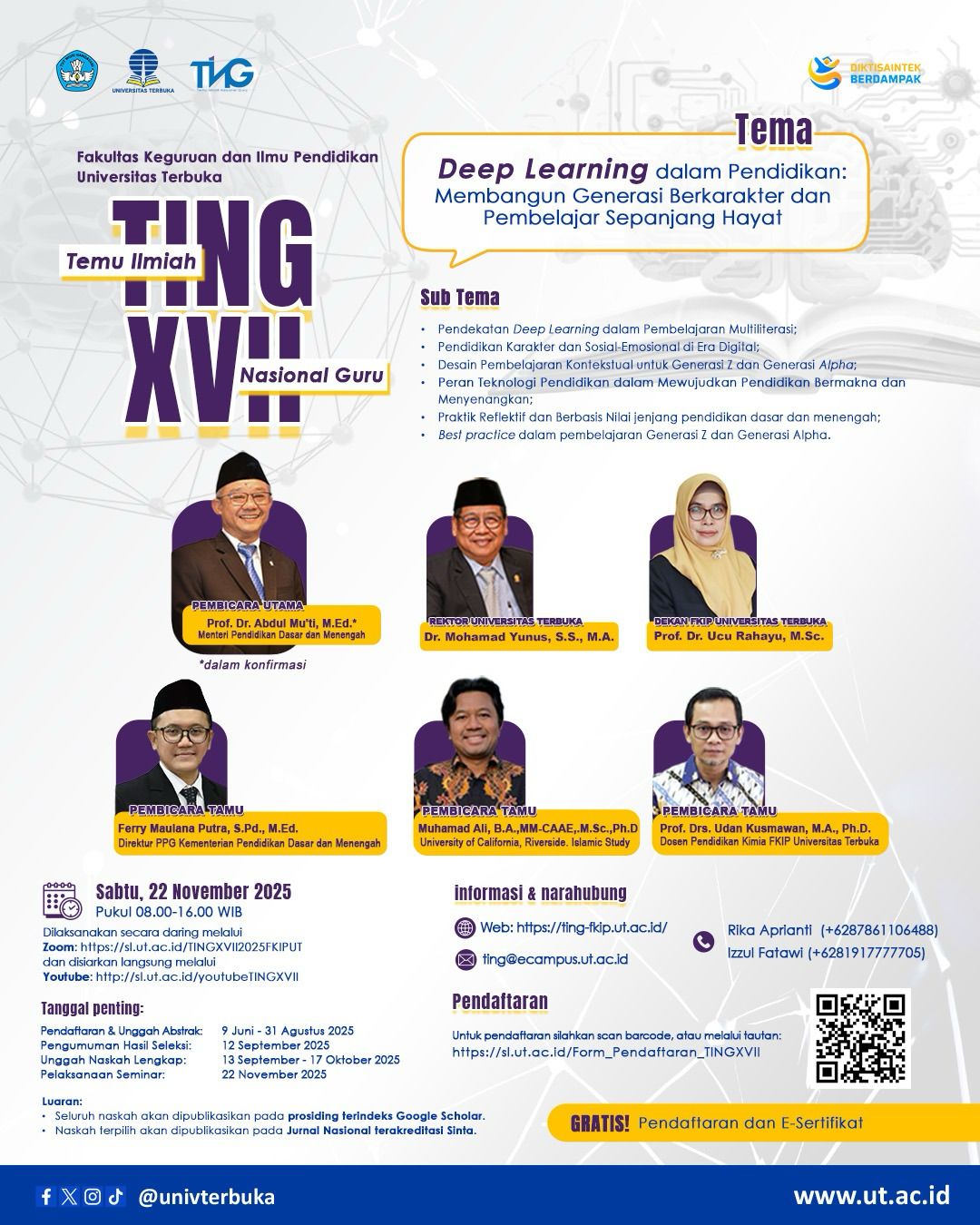
Copyright (c) 2026 Prosiding Temu Ilmiah Nasional Guru

This work is licensed under a Creative Commons Attribution-ShareAlike 4.0 International License.